






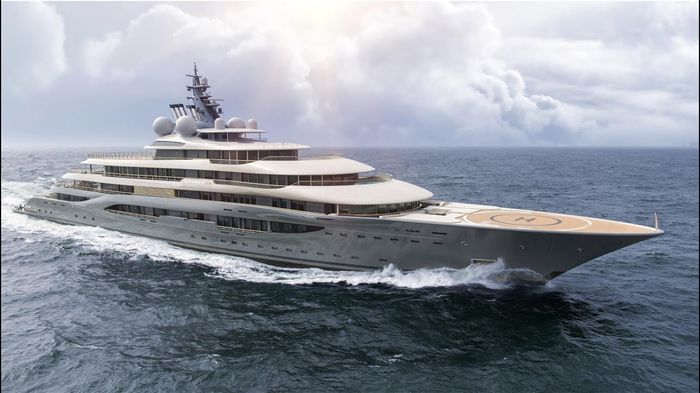
A megayacht is a large private luxury vessel designed for long voyages and onboard accommodations with a level of comfort comparable to a high-class hotel. Most often, megayachts are considered to be approximately 40–50 meters in length and above, although the boundaries are arbitrary and depend on the market, shipyard, and capabilities.
The key features of a megayacht are autonomy, developed infrastructure for recreation and services, a professional crew, and a well-thought-out layout of internal and external spaces. Such vessels yachtcharteradvisor.com are created not only for sea travel, but also as mobile residences, event venues, and status symbols.
The Concept and Features of Megayachts
Unlike smaller motor or sailing yachts, megayachts are designed with additional range, safety systems, and engineering. Onboard, they typically feature spacious cabins, recreation areas, utility spaces, and equipment for water activities and tender storage.
Typical features of megayachts include increased fuel and water capacity, powerful generators, stabilizers, and sophisticated air conditioning and desalination systems. Zoning plays an important role: guest spaces are separated from the crew’s service routes to maintain privacy and a quiet resting environment.
Size classes and conventional boundaries
- 40–60 m – often perceived as the “entry” into the megayacht segment: high comfort, decent autonomy, a noticeable range of entertainment.
- 60–100 m – expanded public areas, more cabins, separate decks for the owner and guests, large garages for tenders.
- 100+ m – super-scale, complex logistics, maximum customization, sometimes – helipads and specialized service spaces.
Materials, propulsion systems and layout
The hull and superstructure are made of steel, aluminum or Composites – the choice depends on the objectives: strength, weight, speed, and fuel efficiency. For motor megayachts, diesel engines, diesel-electric systems, and hybrid solutions are common, reducing noise and fuel consumption at low speeds. The layout is built around central saloons and open decks, with special attention paid to panoramic glazing and soundproofing.
Summary: How a megayacht is defined by length, gross tonnage, and classification criteria
There is no universal threshold that is the same for all markets and registries, but stable guidelines are used: length as the primary marker of “class,” GT as an indicator of the scale of the interior space, and classification as a confirmation of the level of safety and compliance with regulations (including commercial operation, if necessary).
- Hull length remains the basic practical criterion: it is usually used to classify a yacht as a megayacht in everyday use and in marketing segmentation.
- Gross tonnage (GT) better reflects the “real scale” of the vessel: the volume of interior spaces, layout potential, comfort, and service capabilities zones.
- Classification criteria (register class, applicable codes, compliance with safety requirements) establish a yacht’s status as a technically and legally sound vessel and define its operational scope.
- A proper definition of a megayacht is not a single indicator, but a combination of length + GT + confirmed construction and operational standards.
Summary: A megayacht is defined comprehensively: hull length sets the threshold for the perception of a “mega class,” GT defines volume and functionality, and classification requirements confirm the vessel’s level and determine its operational capabilities.