






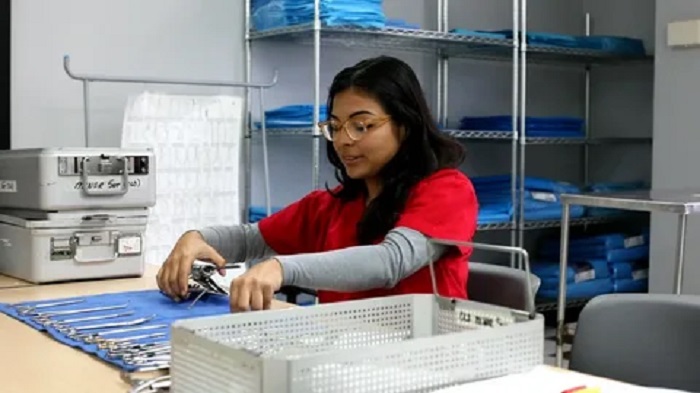
Starting a healthcare career without previous medical experience can feel overwhelming. You may be interested in becoming a Sterile Processing Technician but have no idea how surgical instruments are cleaned, how sterilization equipment works, or what the CRCST certification involves.
Online training offers a way to begin learning without attending a traditional college campus. But is paying for an online sterile processing course actually worth it when you’re starting from zero?
The answer depends on what the program teaches, how instruction is delivered, and what kind of support you receive.
Can You Become a Sterile Processing Technician Without Experience?
Yes. Previous hospital experience is not necessarily required to begin training for a sterile processing career.
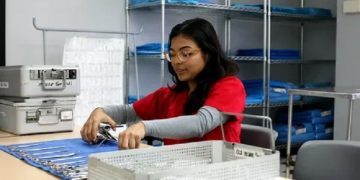
Sterile Processing Technicians work behind the scenes in hospitals and surgical centers. Their responsibilities include cleaning, inspecting, assembling, packaging, and sterilizing surgical instruments.
The job requires attention to detail, an understanding of infection prevention, and the ability to follow strict procedures.
People enter this field from many different backgrounds, including retail, hospitality, manufacturing, customer service, and warehouse operations.
However, having no healthcare experience means there is a significant amount of unfamiliar information to learn.
That’s where a structured training program can make a difference.
What Do Beginners Learn in an Online Sterile Processing Course?
A comprehensive sterile processing training program introduces the principles and procedures used in Sterile Processing departments.
Common subjects include:
- Infection prevention and microbiology basics.
- Cleaning and decontamination of medical instruments.
- Surgical instrument identification and inspection.
- Preparation and packaging techniques.
- Sterilization methods and monitoring.
- Sterile storage and distribution.
- Quality assurance and documentation.
- Workplace safety and professional responsibilities.
For someone who has never worked in healthcare, these subjects may initially seem complicated.
Many technical terms are unfamiliar, and understanding how different procedures connect takes time.
An effective training program should help students understand not only what technicians do but why each step matters.
Is Online Training as Useful as Classroom Training?
Online education can be useful for theoretical preparation, particularly when students receive clear explanations and opportunities to ask questions.
But not all online courses operate the same way.
Some programs rely primarily on prerecorded videos and independent reading. Students work through the material at their own pace.
Other programs provide live classes with instructors teaching in real time.
For beginners, this distinction can be important.
Imagine learning about sterilization monitoring for the first time. You understand the basic definition but struggle to distinguish between different monitoring methods.
With prerecorded lessons, you may need to replay the explanation or search for additional information.
During a live class, you can ask the instructor to explain the difference immediately.
This interaction can help students resolve misunderstandings before moving on to more advanced material.
Online learning is not automatically better or worse than classroom education. The quality of instruction and the student’s ability to engage with the material matter more than the location.
Why Do Some Beginners Prefer Live Online Classes?
One challenge of independent learning is maintaining a consistent schedule.
When nobody expects you to attend class, it can be easy to postpone studying, particularly if you’re working full-time or managing family responsibilities.
Live online programs provide a regular learning structure.
Students attend lessons at scheduled times, follow a curriculum, and progress through subjects with an instructor.
This can be helpful for adults returning to education after several years.
It also creates opportunities to ask questions that may not occur while watching a recorded lesson.
For people changing careers, having an instructor explain unfamiliar healthcare concepts can make the transition into a technical subject more manageable.
Do You Need a Training Course to Take the CRCST Exam?
No. The Healthcare Sterile Processing Association (HSPA) does not require candidates to complete a particular training course before taking the CRCST examination.
It is possible to prepare independently.
However, eligibility to take an exam and readiness to pass it are two different things.
Someone who already works in sterile processing may have practical knowledge that makes independent preparation easier.
A complete beginner must learn the terminology, procedures, and underlying principles without that workplace experience.
A training program provides an organized way to approach this material.
It can also help students identify subjects that need additional review before scheduling their examination.
What About the Required 400 Hours of Practical Experience?
This is one of the most important details for beginners to understand.
CRCST stands for Certified Registered Central Service Technician. The credential is administered by HSPA.
Full certification requires passing the CRCST examination and documenting 400 hours of relevant hands-on experience.
Candidates who pass the exam before completing their practical hours may receive provisional certification. They must then complete the required experience within the applicable six-month period.
Online classroom instruction does not count as a substitute for those practical hours.
Therefore, completing a 14-week training program should not be confused with automatically becoming fully certified.
Before enrolling, students should understand how examination preparation and practical experience fit together.
What Does Multyprep Offer New Students?
Multyprep provides professional training designed to help students prepare for sterile processing careers.
Rather than relying exclusively on prerecorded videos, the school offers live Zoom classes with instructors.
Its 14-week program includes 168 hours of instruction and more than 1,000 practice questions for CRCST preparation.
Students follow a structured curriculum and can ask questions during lessons.
This approach may be particularly helpful for people entering healthcare without previous medical training.
Depending on the selected package, students may also receive assistance with resumes, interview preparation, and job-search strategies.
The school does not automatically provide the 400 hours of hands-on experience required for full CRCST certification.
Students interested in the program can review the available training options, curriculum, and enrollment information on the Sterile Processing Technician course page.
How Much Should You Spend on Sterile Processing Training?
The cheapest course is not necessarily the best value, but the most expensive option is not automatically better either.
Before paying tuition, consider what the price includes.
Does the program provide live instruction? Can you ask questions? Are practice examinations included? Is the curriculum organized around CRCST preparation?
Also check whether career services, study materials, and examination fees are included or charged separately.
A beginner may benefit from paying for structured instruction, while someone with existing sterile processing experience may need less support.
The right decision depends on your learning preferences, financial situation, and professional goals.
Is Online Sterile Processing Training a Good Investment?
For a beginner who wants to enter healthcare without completing a four-year degree, online sterile processing training can be a practical starting point.
It allows students to develop technical knowledge while studying remotely, often without leaving their current employment.
But the value of a course depends on what happens during those weeks of instruction.
A program that provides clear explanations, organized lessons, practice questions, and access to instructors offers a different experience from simply purchasing a collection of videos.
It is also important to maintain realistic expectations. Training does not guarantee certification, employment, or a particular salary.
The purpose of education is to build the knowledge needed for the next step.
If you’re starting with no healthcare experience, choosing a course that helps you understand the profession rather than merely memorize exam answers may be one of the most useful decisions you make.